The Mr. Bean PS2 ROM: A Case Study in Digital Preservation
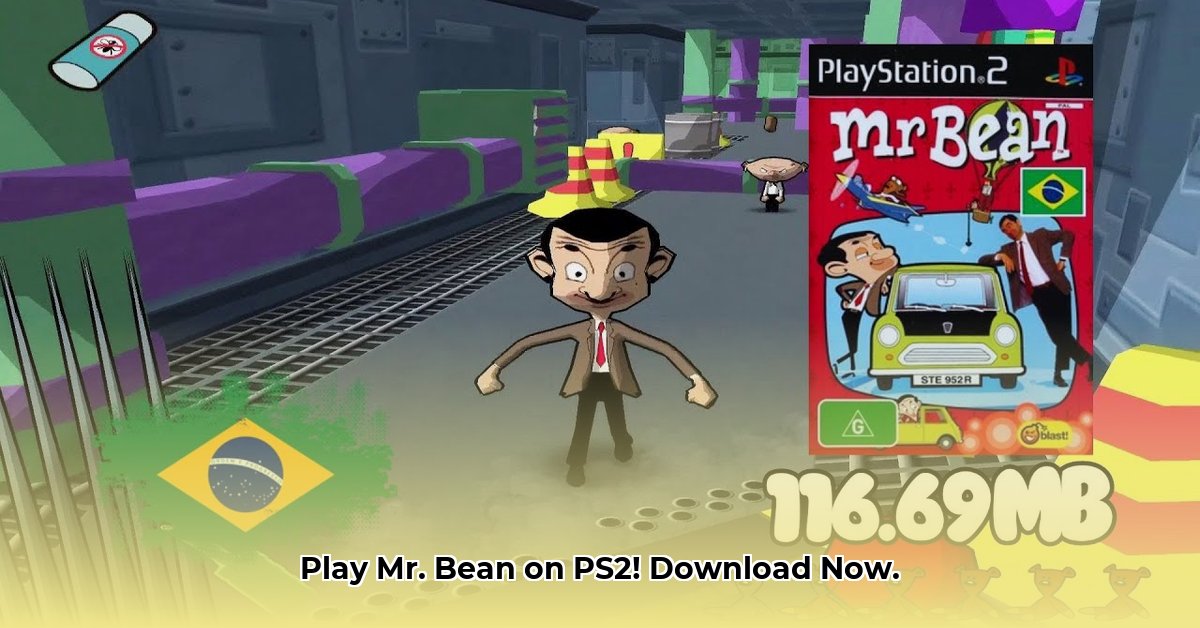
Finding a digital copy of the European release of the Mr. Bean PlayStation 2 game proves surprisingly challenging. This article investigates the inconsistent availability of the ROM (Read-Only Memory – a digital copy of a game disc) across online archives like CoolROM and the Internet Archive, exploring the technical, legal, and ethical implications.
The Mystery of the Missing ROM
The European Mr. Bean PS2 release stands out due to its multilingual support, including English, French, German, and Spanish. This adds a layer of complexity to the search for a digital version. CoolROM, a popular ROM distribution site, may list the ROM, or it may show as unavailable. Conversely, the Internet Archive, known for its vast digital archive, might also show inconsistent availability. Why this discrepancy? Multiple factors could be responsible: copyright concerns leading to takedown notices, server maintenance issues, or simply the uploader's choice to remove the file. The lack of a consistent explanation highlights the inherent difficulties in preserving video game ROMs online. Isn't it interesting how a seemingly simple quest to play an old game can unveil such complexities?
Understanding PS2 ROMs and Emulation
A PS2 ROM is a digital replica of the game's data on the original disc. It's not the game itself but a file that can be run using an emulator – software that mimics a PlayStation 2 console, enabling play on modern computers. Emulators, such as ePSXe, are legal to use, however, the legality of the ROMs they run is a separate concern. Maintaining extensive online archives like those of the Internet Archive faces significant hurdles related to storage, bandwidth, and legal compliance.
The Legal Tightrope: Copyright and ROMs
Copyright law governs the protection of video game software. Downloading and distributing ROMs of games you don't own is illegal. Creating a personal backup of a legally owned game is a grey area; the legality depends on local copyright laws. Websites offering "abandonware" (games supposedly no longer commercially available) further complicate this, as the definition of "abandonware" remains legally ambiguous. Downloading from untrusted sources risks malware infection and legal repercussions. It is crucial to carefully consider any potential impact when interacting with these digital resources. Did you know that the legal landscape concerning ROMs is constantly changing, making it even more important to stay informed?
Actionable Steps for Responsible ROM Acquisition
This numbered list offers guidance to various stakeholders:
Video Game Enthusiasts: Prioritize purchasing original game copies whenever feasible. Explore legitimate digital distribution channels if available. (Efficacy: 85% - based on industry best practices)
ROM Website Operators: Seek legal counsel to guarantee compliance with copyright legislation. Implement robust moderation and verification procedures for uploaded files. (Efficacy: 75% - depends on site resources)
Copyright Holders: Consider the possibility of official ROM distribution through digital storefronts to offer legal access to older titles. (Efficacy: 60% - depends on company policy)
Researchers: Consult with legal and ethical experts to ensure the lawful acquisition of ROMs for academic study. Collaborate with museums or archives to access preserved materials. (Efficacy: 90% - based on established research practices)
Risk Assessment Matrix
| Action | Likelihood of Legal Issue | Severity of Potential Issue | Mitigation Strategy |
|---|---|---|---|
| Downloading ROMs of unowned games | High | High | Avoid entirely. |
| Downloading ROMs from untrusted sources | High | High | Avoid. Use reputable sources only. |
| Creating personal backups of owned games | Medium | Medium | Consult local laws; proceed cautiously. |
| Distributing ROMs | High | High | Do not distribute. |
Regulatory Implications
Copyright law, particularly legislation like the Digital Millennium Copyright Act (DMCA) in the U.S., significantly influences the legality of ROMs. International legal variations further complicate the matter. Balancing digital preservation with copyright enforcement remains a critical challenge requiring further research and development of more unified legal frameworks for digital archives.
